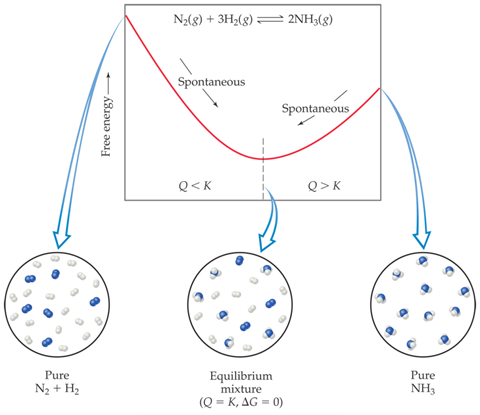
CHEMICAL THERMODYNAMICS
What Is Chemical Thermodynamics?
Do you have a refrigerator in your home? Or an engine in your car? Both of those things work on the principles of thermodynamics.
Have you ever noticed how it’s hotter upstairs in your home than downstairs? That’s also thermodynamics and the way a thermos flask can keep your coffee warm? Yup, you guessed it: thermodynamics.
Chemical thermodynamics is the study of how heat and work relate to each other both in changes of state and in chemical reactions. It involves a series of rules and laws that explain how heat and work well, work, and explains which processes can happen spontaneously and which need some help.
There are several basic principles of chemical thermodynamics to consider: systems, the laws of thermodynamics, and enthalpy. Chemical thermodynamics is also concerned with four particular quantities: internal energy, enthalpy, entropy and the Gibbs free energy.
BASIC PRINCIPLES OF CHEMICAL THERMODYNAMICS
- SYSTEMS
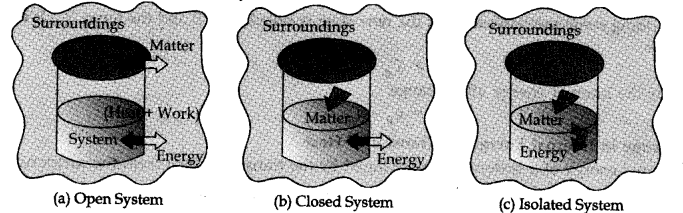
There are several types of systems in chemical thermodynamics: isolated systems, closed systems, and open systems.
An isolated system is one that has rigid walls and doesn’t allow the transfer of energy or mass. The walls are perfectly insulating. A closed system has walls that let energy pass in and out of the system, but that don’t allow mass to enter or escape. And an open system allows both energy and matter to enter and leave.
2. LAWS OF THERMODYNAMICS
FIRST LAW OF THERMODYNAMICS
The total energy of the universe is a constant. Energy can, however, be converted from one form to another or transferred from a system to the surroundings or vice versa.

SECOND LAW OF THERMODYNAMICS
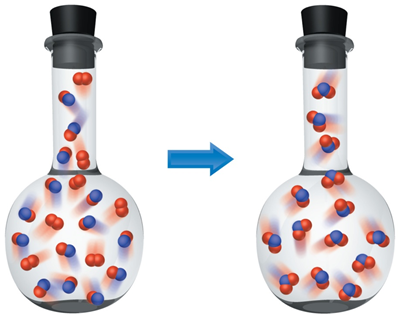
The entropy of the universe increases (real, spontaneous processes). But, entropy can decrease for individual systems .


Entropy increases when, Gases are formed from liquids and solids. Liquids or solutions are formed from solids. The number of gas molecules increases. The number of moles increases.
THIRD LAW OF THERMODYNAMICS
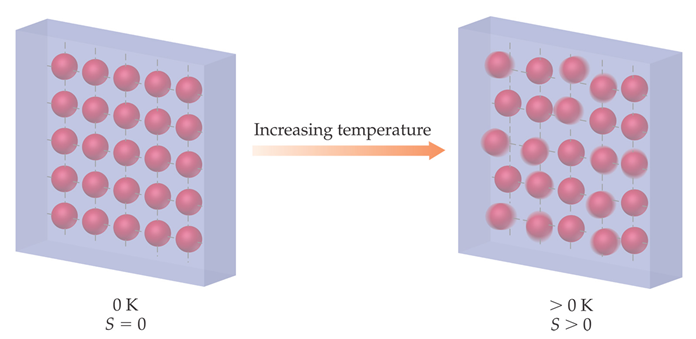
The entropy of a pure crystalline substance at absolute zero is 0.

3. ENTHALPY
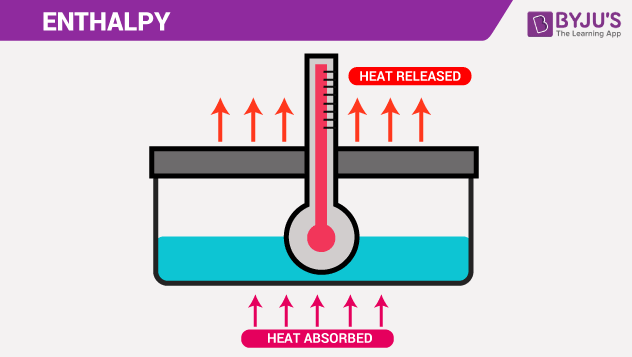
a property of a thermodynamic system, is equal to the system’s internal energy plus the product of its pressure and volume.The total enthalpy, H, of a system cannot be measured directly.
QUANTITIES PARTICULAR IN CHEMICAL THERMODYNAMICS
- INTERNAL ENERGY
The internal energy of a system is the sum of the kinetic energies and the potential energies. If a system does no work and you add heat to it, the internal energy of the system increases. If your system is an ideal gas then this increase in internal energy is an increase in the kinetic energy of the atoms of the gas.

2. ENTROPY
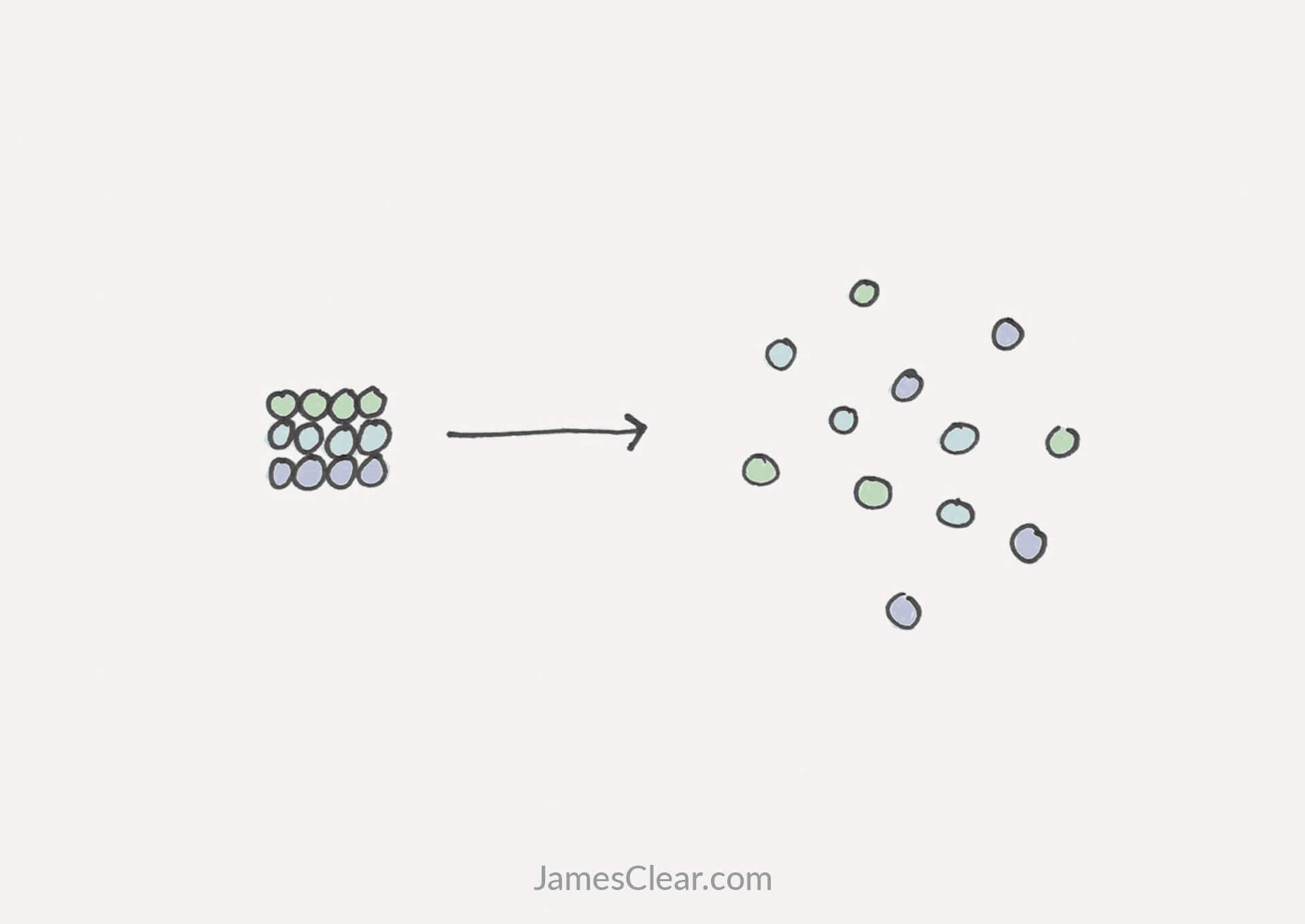
Entropy can be thought of as a measure of the randomness of a system. It is related to the various modes of motion in molecules.
3. GIBBS FREE ENERGY
A thermodynamic quantity equal to the enthalpy (of a system or process) minus the product of the entropy and the absolute temperature.